




Burnout is becoming the hidden cost of cybersecurity in Malaysia, with fresh data revealing that 90 percent of organisations are struggling to keep pace with rising threats.
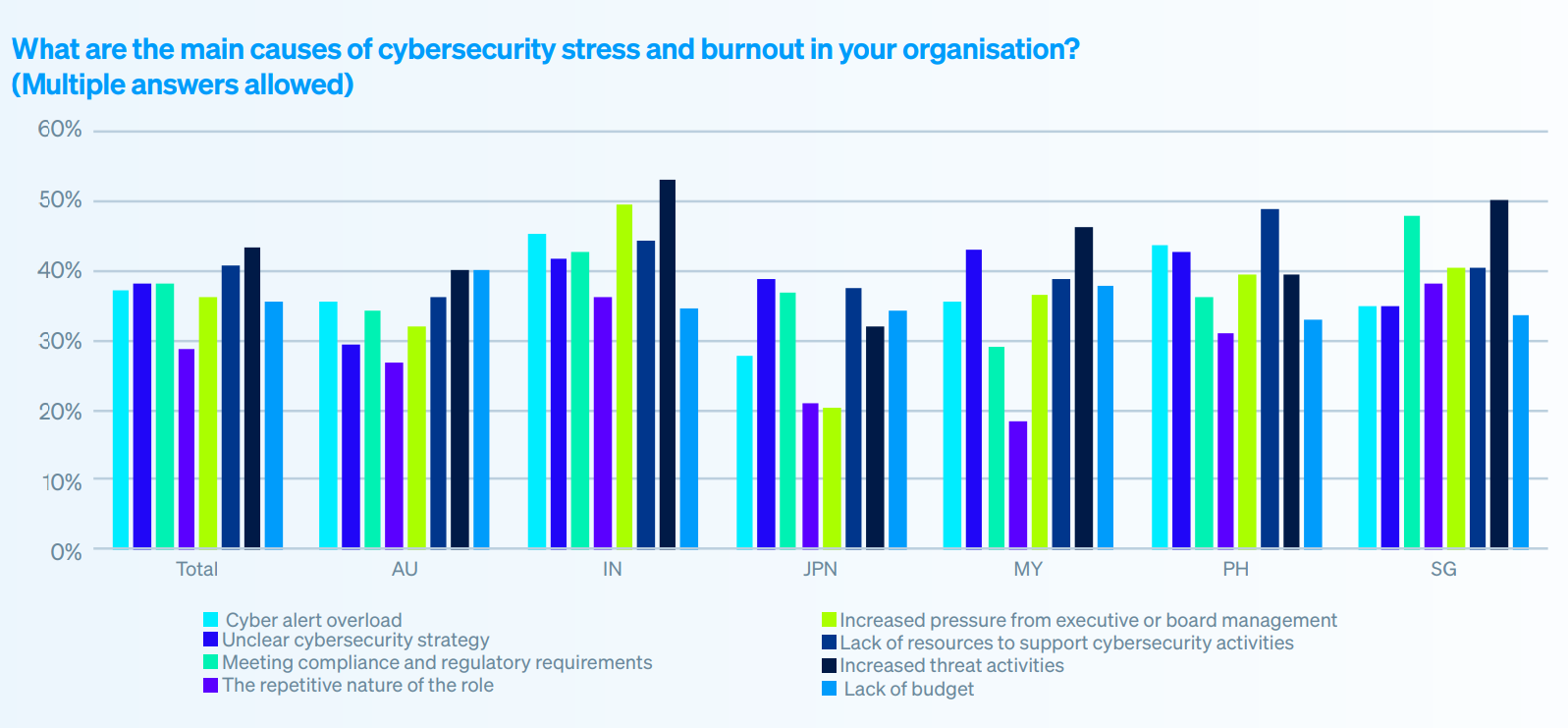
The Future of Cybersecurity in Asia Pacific and Japan 2025 report, commissioned by Sophos and conducted by Tech Research Asia (now part of Omdia), found that fatigue remains widespread due to increased threat activity, lack of resources, and unclear strategies.
Sophos noted that burnout affects not just technology teams but also productivity, incident response, employee retention, and the likelihood of breaches.

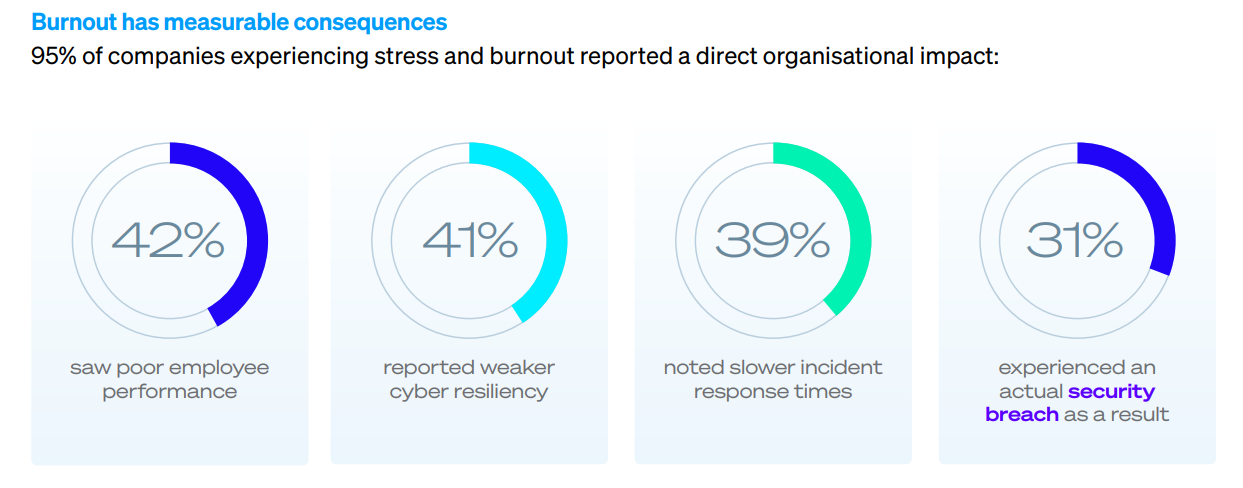
Among Malaysian respondents, the top frustrations were keeping up with the pace of threats, executives assuming cybersecurity is easy and concerns are exaggerated, and the inability to create a strong cybersecurity culture across the organisation.
AI Brings Both Relief and New Risks
The study also underscored the double-edged role of artificial intelligence (AI).
While 91 percent of organisations are already using tools such as ChatGPT, co-pilots, and agentic AI, and 78 percent have formal AI strategies, shadow AI use is a growing concern.
Thirty-six percent reported employees using unauthorised AI tools, while 13 percent were unsure whether it was happening in their workplace.
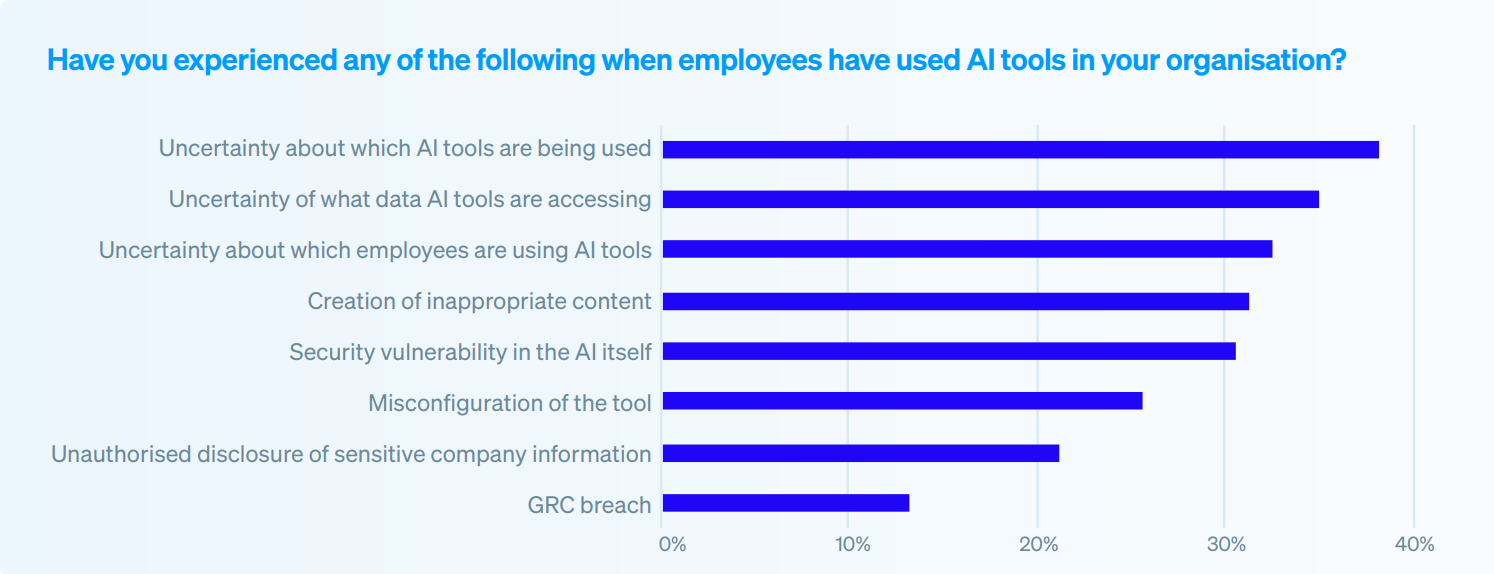
The lack of visibility into what tools are being used, what data they access, and which employees are using them is creating new risks.
AI still offers clear benefits: organisations said authorised tools have improved triaging and escalation of incidents, helping reduce stress and speed up responses.
Sophos said these findings underline the need for robust governance frameworks that not only define policy but also enforce oversight.
The report also showed the toll of stress is increasing. Organisations lost an average of 5.6 hours of productivity per employee each week due to fatigue, up from 4.1 hours in 2024.
At the same time, 93 percent of organisations plan to raise cybersecurity budgets over the next year, with 27 percent expecting increases of 10 percent or more.

“The triad of increased threats, unclear strategies, and limited resources is making cybersecurity unsustainable for many teams.
This year’s findings reinforce what we’ve observed in the field: cybersecurity stress and burnout are more than just operational concerns – they’re cultural, strategic, and deeply human challenges. AI tools, when deployed thoughtfully, can provide relief by scaling operational capability and enabling faster incident response.”
said Aaron Bugal, Field Chief Information Security Officer, APJ, Sophos.
The survey covered 926 cybersecurity and IT professionals across Australia, India, Japan, Malaysia, the Philippines, and Singapore.
Featured image: Edited by Fintech News Malaysia, based on image by thanyakij-12 via Freepik
