




Fraud is no longer just a back-office concern, but a frontline business challenge
As digital experiences accelerate and customer expectations rise, organisations are under increasing pressure to deliver fast, seamless onboarding while simultaneously protecting against sophisticated fraud attacks.
The reality is clear: fraudsters are evolving faster than ever. From AI-driven identity manipulation to increasingly complex attack patterns across the customer lifecycle, today’s threat landscape demands a more strategic and adaptive approach to identity verification.
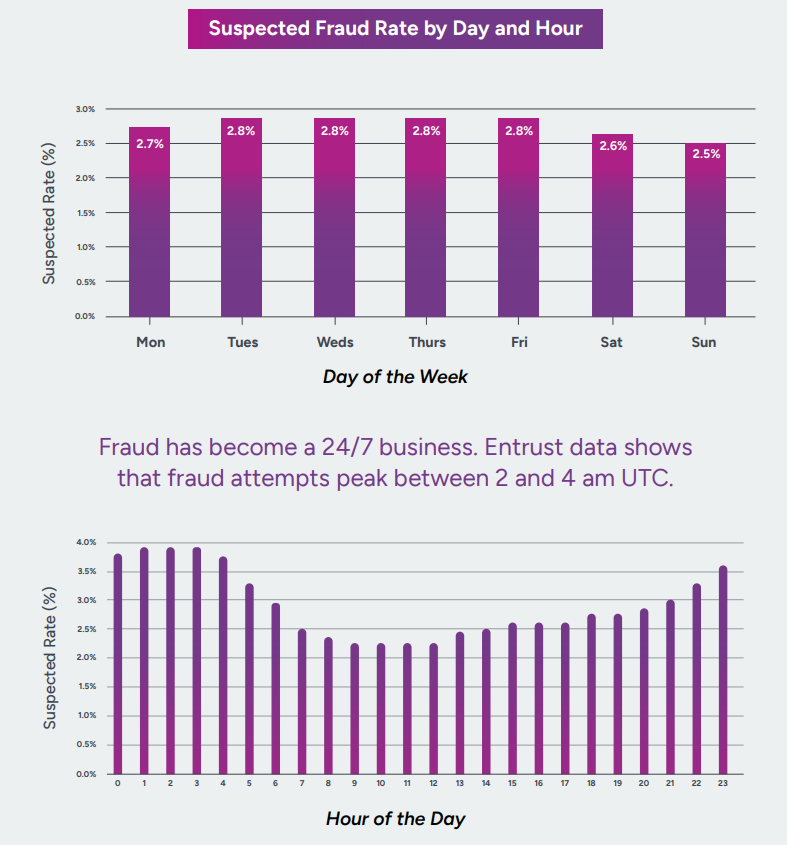
The latest Identity Fraud Report provides a comprehensive look at how these trends are shaping the future of digital trust and what organisations must do to stay ahead.
The New Reality: Fraud is Faster, Smarter, and More Scalable
The scale and speed of fraud have increased dramatically in recent years. Advances in automation and artificial intelligence have enabled attackers to execute highly targeted, high-volume attacks with greater precision.
This evolution means that traditional, static approaches to fraud prevention are no longer sufficient.
Organisations must continuously adapt their strategies to keep pace with emerging threats.
At the same time, fraud is no longer isolated to a single point in the customer journey.
It spans the entire lifecycle, from account creation and onboarding to login, transaction authorisation, and account recovery.
Understanding where and how fraud occurs is now critical to building a resilient defense.
Balancing Security with Customer Experience
One of the most significant challenges organisations face today is finding the right balance between security and user experience.
Customers expect instant access, low friction, and seamless digital interactions.
However, overly rigid or complex verification processes can lead to increased drop-off, abandoned onboarding, and lost revenue.
On the other hand, insufficient controls create vulnerabilities that fraudsters are quick to exploit.
The most effective organisations are those that take a dynamic approach, leveraging intelligent identity verification strategies that adapt based on risk signals, user behavior, and contextual data.
This allows them to maintain high levels of security while delivering an optimised customer experience.
Where Organisations Are Most Vulnerable
Fraud doesn’t impact all stages of the customer journey equally. Certain moments present higher risk, particularly when trust is being established or revalidated.
Key high-risk points include:
- Account onboarding: Where synthetic identities and stolen credentials are frequently used
- Login and authentication events: Increasingly targeted by account takeover attempts
- High-value transactions: Where attackers aim to maximise financial gain
- Account recovery processes: Often exploited as a weak link in security frameworks
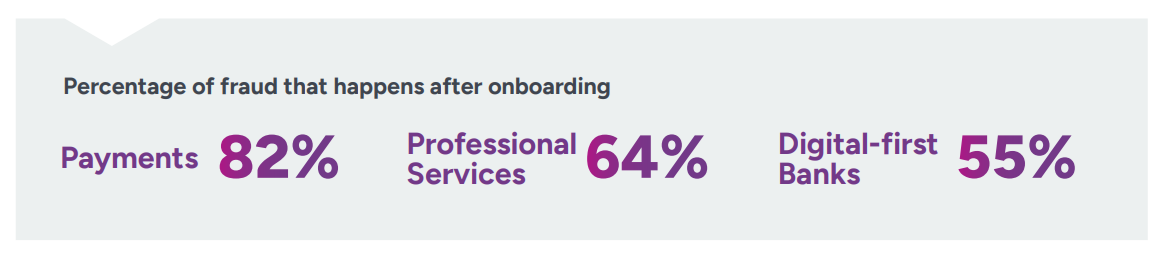
By identifying and strengthening these critical touchpoints, organisations can significantly reduce their exposure to fraud.
The Growing Role of AI On Both Sides
Artificial intelligence is rapidly transforming the fraud landscape, but not just for defenders.
Fraudsters are also using AI to generate more convincing fake identities, bypass traditional controls, and scale attacks efficiently.
This creates a constant arms race where static defenses quickly become outdated.
To keep up, organisations must adopt advanced identity verification solutions that incorporate machine learning, biometric analysis, and real-time risk scoring.
These technologies enable more accurate detection of fraudulent activities while minimising false positives that can disrupt legitimate users.
From Compliance Requirement to Growth Enabler
For many organisations, identity verification has historically been viewed as a compliance necessity, a checkpoint required to meet regulatory obligations.
However, forward-thinking organisations are reframing this perspective.
When implemented effectively, identity verification becomes a powerful growth enabler.
By reducing friction, accelerating onboarding, and improving trust, organisations can drive higher conversion rates and better customer retention.
At the same time, maintaining strong fraud controls ensures that growth is sustainable and secure.
Turning Insights into Action
Understanding fraud trends is only the first step. The real value comes from applying those insights to build smarter, more resilient systems.
Organisations that succeed in today’s environment are those that:
- Continuously monitor and adapt to evolving threats
- Leverage data and intelligence to inform decision-making
- Invest in scalable, flexible identity verification solutions
- Align fraud prevention with broader business objectives
By doing so, they transform fraud prevention from a reactive function into a strategic advantage.
Stay Ahead of What’s Next
As fraud continues to evolve, staying informed is critical. The Identity Fraud Report provides the insights needed to navigate this complex landscape and take proactive steps to protect your business and your customers.
Download the full report here to explore the latest trends and strategies shaping identity fraud and how your organisation can stay ahead.

Featured image: Edited by Fintech News Malaysia, based on image by riskytolen31 via Magnific
