




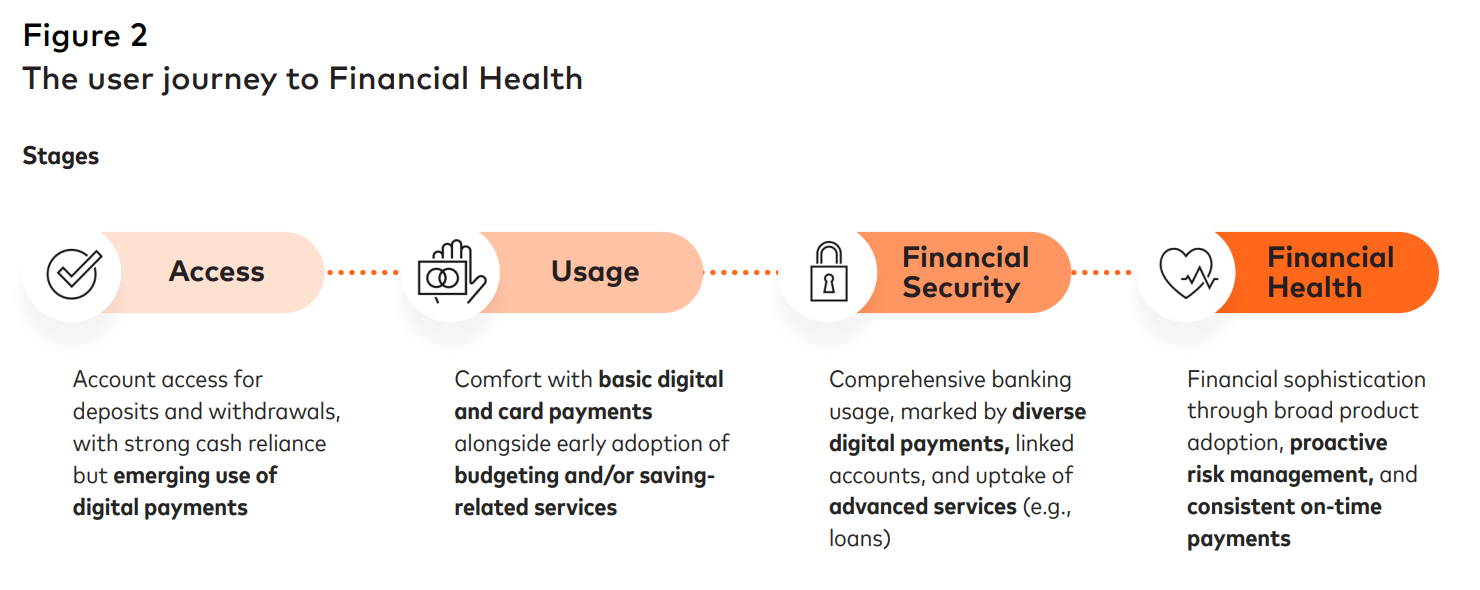
Mastercard and GXBank say the first 60 days after opening an account can play a major role in whether customers develop lasting financial habits.
Their research found that early engagement, savings discipline and trust in data security were stronger indicators of progress towards financial health than income or demographic factors.
The study analysed pseudonymised transaction data from more than 39,000 GXBank customers in Malaysia over 12 months, alongside insights from three focus groups.

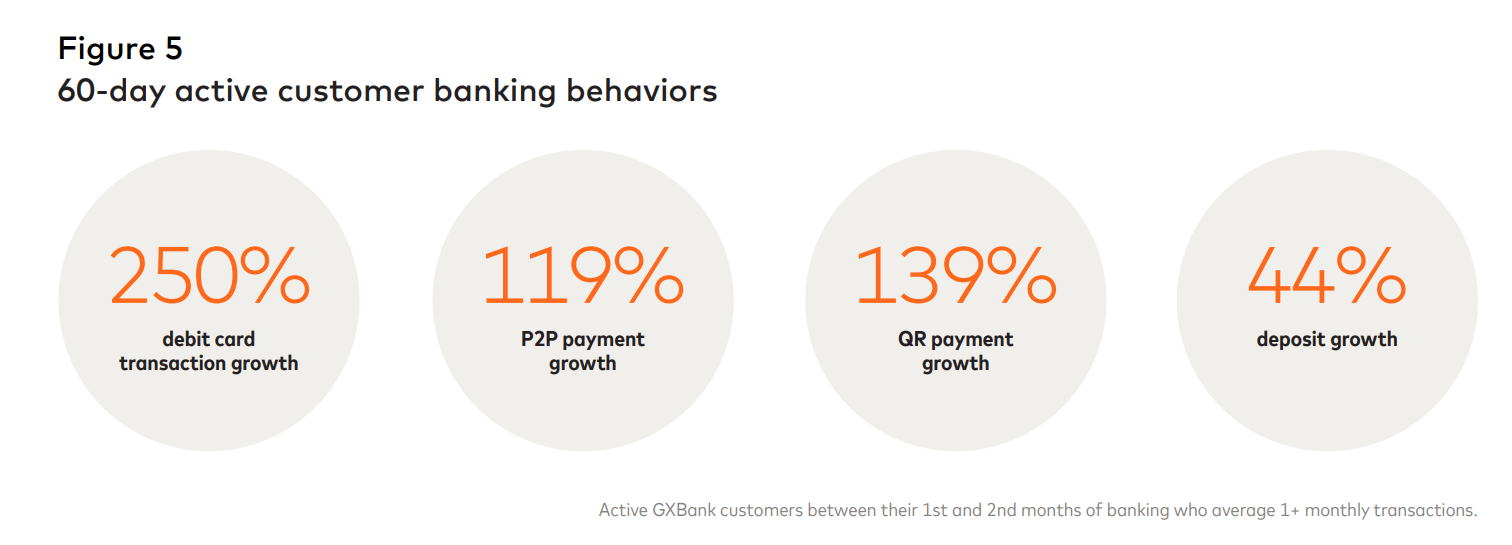
Active customers increased their use of digital banking services during their first two months, with debit card transactions rising 250%.
QR payments increased 119%, peer-to-peer payments 139% and deposits 44%.

“One of the more striking findings is how quickly everyday financial behaviors can shape consumers’ long-term financial trajectory.
Beyond ensuring consumers have access, meaningful impact comes from helping them build confidence and good habits in the first few months. Financial inclusion should be viewed as a journey and not a destination.”
said Joyce Bo, Executive Vice President, Core Payments, Asia Pacific, Mastercard.
Deposit frequency also appeared to matter more than the amount initially deposited.
Active customers made 51% more Retail Payments Platform deposits in their first month than customers whose card activity later lapsed.
The study found little correlation between long-term activity and the size of the initial deposit.
Saving habits linked to stronger progress
Customers who allocated 10% to 20% of their deposits to GXBank’s Savings Pockets were 22% more likely to progress to the Usage stage or beyond.
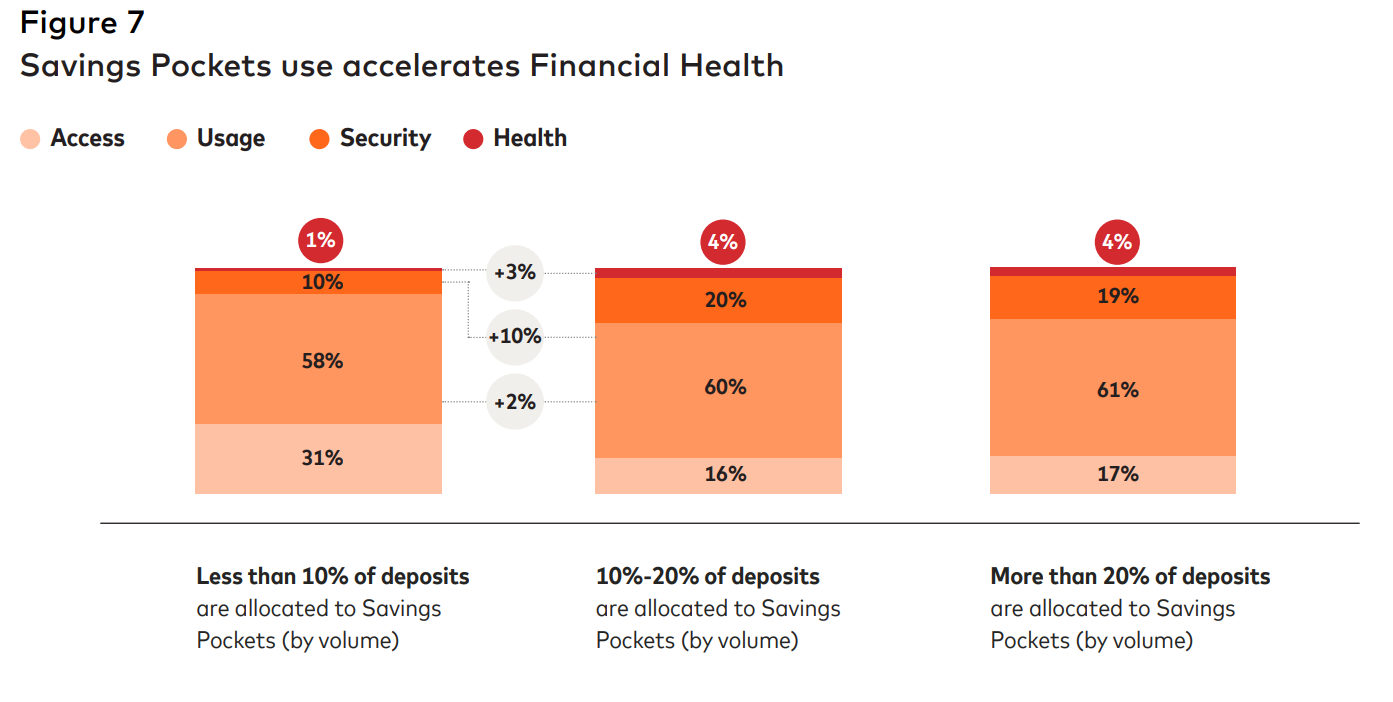
Those who placed at least 15% of their deposits into Savings Pockets were 31% less likely to fall back to the Access stage.
Declining rewards also appeared to affect engagement. Some 38% of participants who disengaged cited lower savings yields or cashback as a reason for reducing their activity.
Product adoption and security also matter
Customers who adopted multiple complementary products within the same calendar month were four times more likely to reach the Financial Security stage.
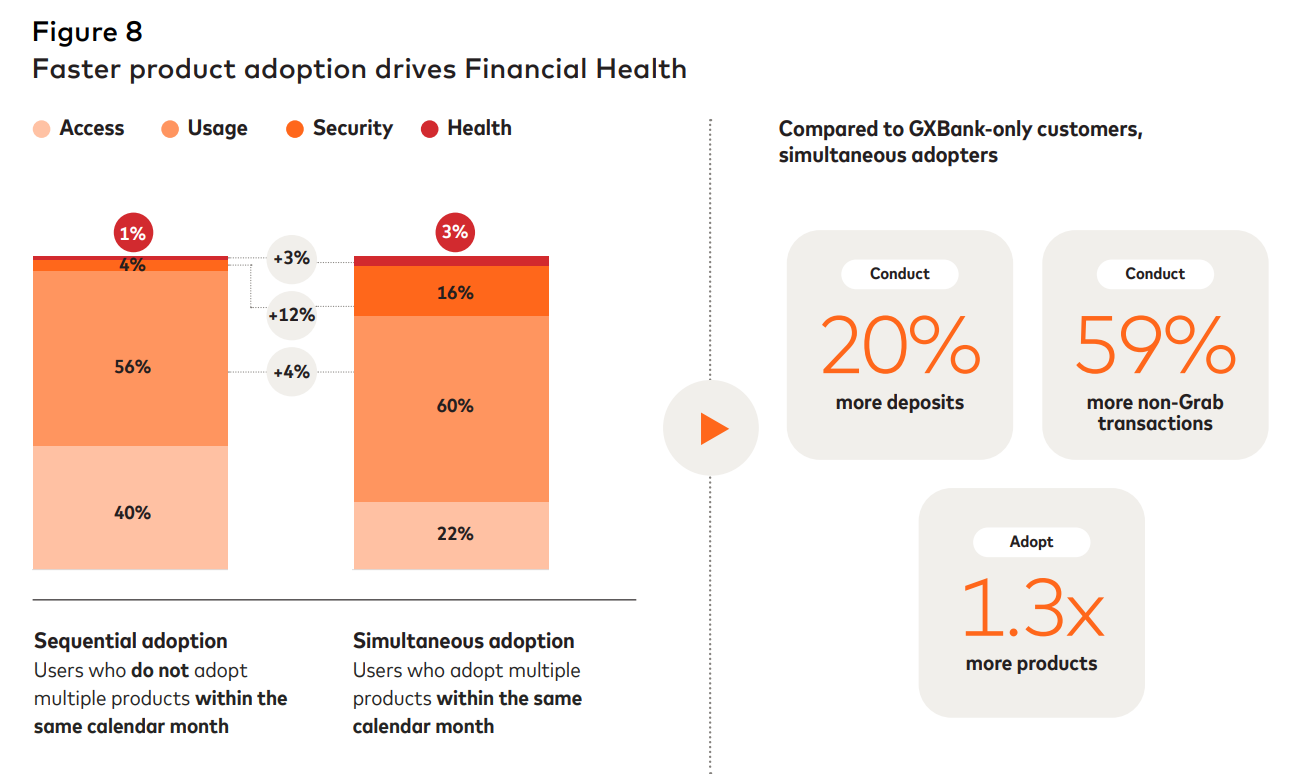
However, the report found that introducing too many products in the first month could overwhelm customers and weaken progress.
More sustainable adoption was seen after an initial adjustment period, including after day 45.
Security was another factor. Active GXBank customers adopted Cyber Fraud Protect three times faster, while trust in data security was among the stronger indicators of financial health progression.

“The findings show that when consumers receive the right support early on, small actions can become lasting habits, from making their first digital transaction and starting a savings goal to adopting tools that help protect their finances.
In fact, since the research was done, we have introduced new products and partnerships to support our customers wherever they are in their financial journey,”
said Kaushik Chowdhury, Chief Executive Officer, GXBank.
The research comes as 89% of Malaysians have a financial account, but use of some formal financial services remains lower.
Only 52.5% have saved money at a bank or similar financial institution, while 15% have borrowed from one.
Featured image: Edited by Fintech News Malaysia, based on image by dit26978 via Magnific
