Cashku Is Using Agentic AI to Close Malaysia’s Investment Gap
Personalised investment guidance that truly understands your financial goals and adapts as life changes has largely remained out of reach for most Malaysians.
Get the hottest Fintech Malaysia News once a month in your Inbox
Almost every Malaysian who has tried to invest in a unit trust knows exactly how this goes.
You find an agent’s number, submit a form, and wait. You follow up and wait some more. Sometimes, there’s no reply. Sometimes the response comes weeks later, after you’ve given up, as most people in your position would.
What feels like a personal frustration is in fact a predictable outcome. The system was never designed to serve the everyday Malaysian.
Looking at incentives, the reason becomes clear. A sales charge of 3% to 5% on your RM2,000 investment earns an agent RM60 to RM100. On a million-ringgit portfolio, it can generate up to RM50,000. Naturally, the callback goes to the larger client first.
Digital platforms transformed part of this experience. Robo-advisors arrived and lowered the barriers to entry. But its advisory logic behind them didn’t change. Robo-advisors don’t help you decide between, say, a unit trust, a bond, or any other investment as your life changes.
Personalised investment guidance, the kind that understands your financial goals and evolves with you, has largely remained for those with larger portfolios or existing banking relationships.
The more honest question was never whether Malaysians wanted to invest. It was whether the system was ever built to include all of them.
The Structural Gap in Malaysian Investing
When millions of people share the same experience and sentiment, it becomes less of a coincidence and more of an infrastructural challenge. The data speaks for itself.
Three out of four Malaysians, including small business owners, gig workers, and young professionals, remain financially unprepared for their long-term needs.
This gap does not reflect a lack of ambition or effort, but structural cracks in how financial planning has been designed and delivered.
The Frustration That Led to Cashku
Raeven, the co-founder of Cashku, spent his whole life inside wealth management.
Raevendren ‘Raeven’ Ramachandran, the co-founder of Cashku, grew up closer to the industry than most of us. His father was a group agency manager at one of Malaysia’s largest unit trust companies, and the family office was where Raeven spent his early years, poring over fund factsheets the way other kids read storybooks.
He understood the system’s mechanics long before he understood why it had structural limitations. And crucially, what those limitations meant to the majority of Malaysians who were being left behind.
That became clear when he returned home from London in 2016. In the UK, investing meant opening an account, completing KYC, and getting started within minutes. No commissions, no waiting. Back home, he reached out to an agent and waited weeks before he secured his first meeting.
He searched for direct-to-customer platforms too. What he found were mostly B2B-facing products. Nothing was built for the everyday investor who simply just wanted access.
What he’d experienced revealed a market gap significant enough to build a solution for.
Building a Highway For Trust First, Traction Next
In the fintech field, the inclination was to move swiftly.
Many fintech startups choose to launch quickly and address regulation later. Raeven and his co-founder, Asgari Stephens, both licensed fund managers, did the opposite.
They bootstrapped through five years, building a comprehensive regulatory foundation, securing seven Securities Commission licences, including the Institutional Unit Trust Adviser (IUTA) licence. Raeven says,
Raevendren ‘Raeven’ Ramachandran
“Financial services are a business of trust. Trust is not optional and is absolutely the foundation. So in that particular case, regulatory licensing is really one of the strongest ways in which trust is actually codified. How do you make it tangible? You get a stamp that says you’re licensed by the Securities Commission and other regulators. And the SC and BNM are regarded as one of the top-tier regulators in the world.”
Prioritising regulation before growth was a deliberate trade-off. It established credibility. Cashku’s governance reflects this decision, with former Securities Commission chairman Datuk Ali Abdul Kadir among its shareholders.
Why Cashku Rebuilt Wealth Infrastructure From the Ground Up
With its regulatory foundation in place, Cashku turned to the harder question. Most wealth platforms modernised old processes, but how could Cashku rebuild the logic behind it?
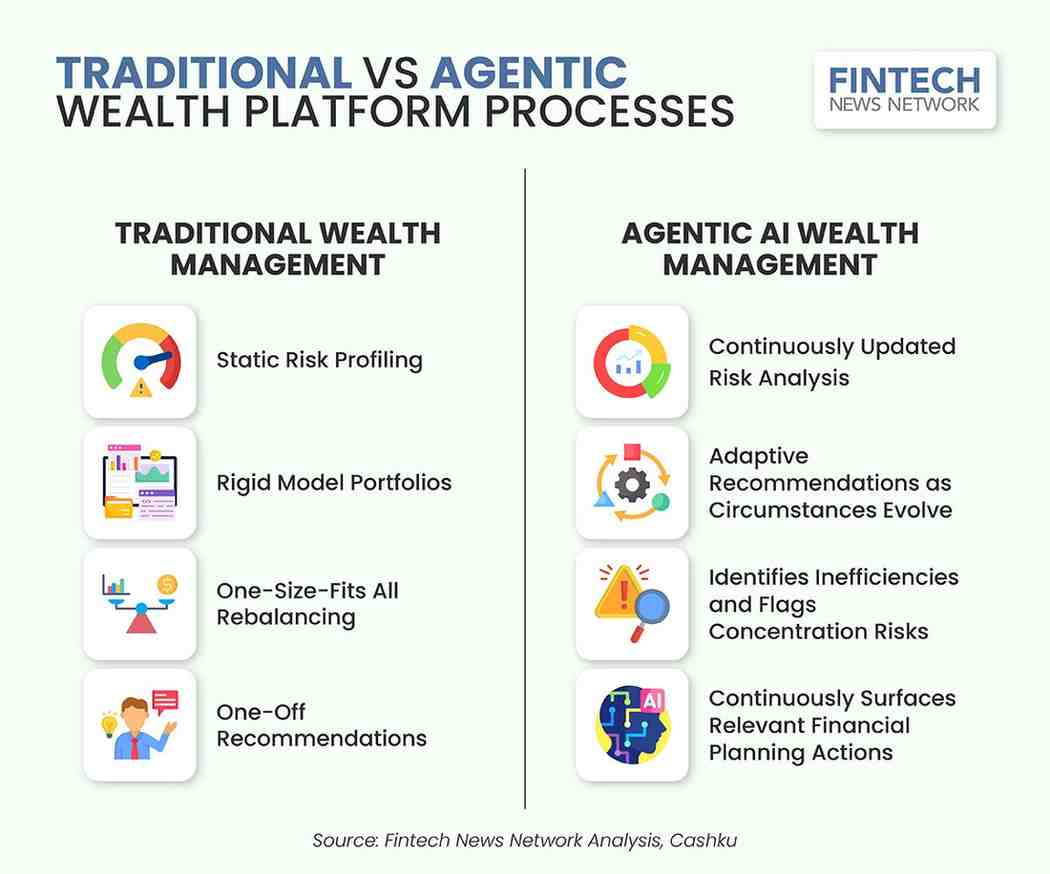
Most digital wealth platforms today are modern interfaces built on old processes: static risk-profiling questionnaires, rigid model portfolios, and one-size-fits-all rebalancing. Risk profiling stays the same, portfolios rarely change, and while the interface may look modern, the underlying behaviour has barely shifted.
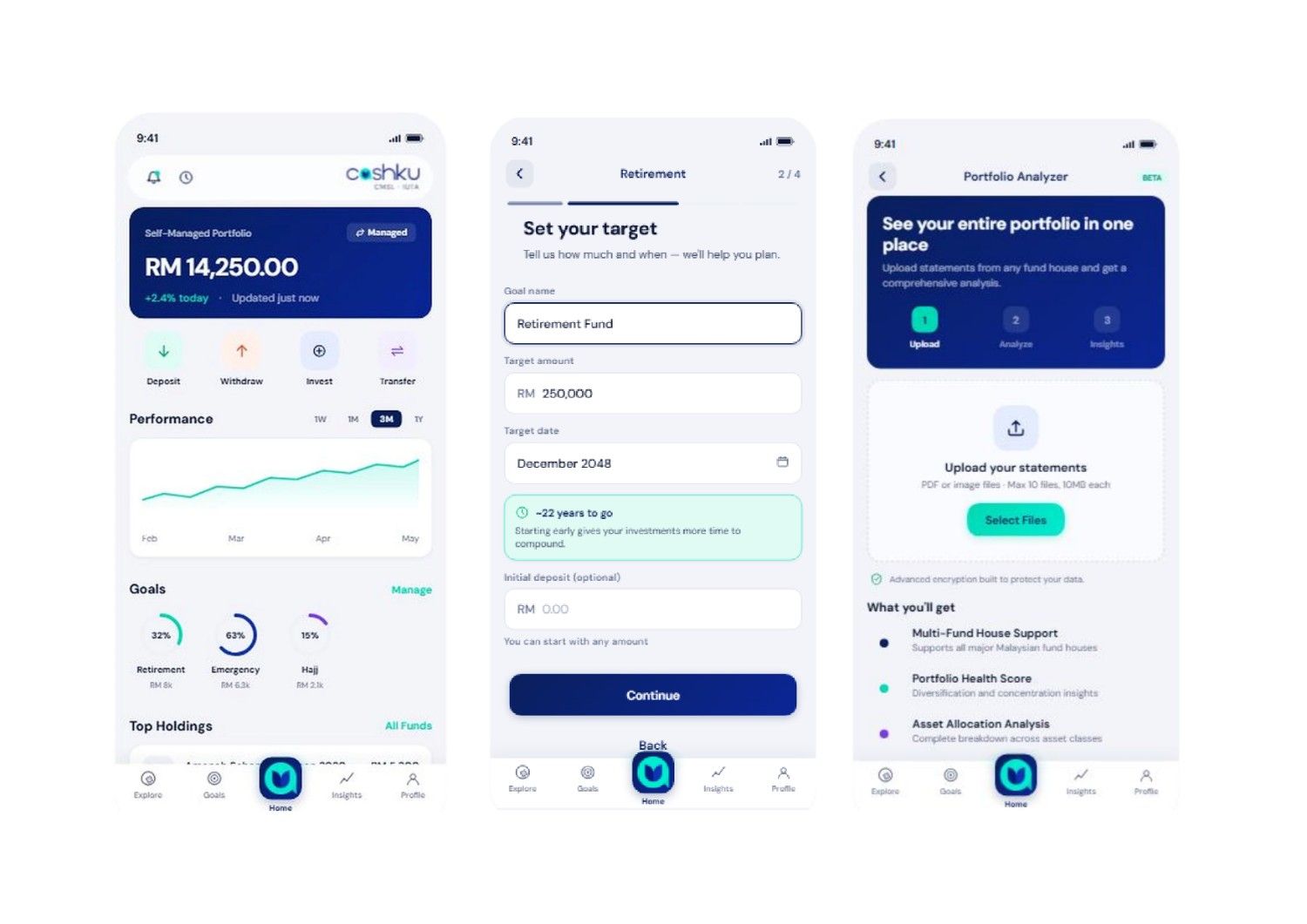
Cashku rebuilt the system from the ground up. As an AI-native platform, Cashku deployed agentic systems that continuously analyse a user’s financial situation and adapt recommendations as circumstances evolve.
Source: Fintech Network News Malaysia analysis, Cashku
Rather than offering one-off recommendations, Cashku’s platform identifies inefficiencies, flags concentration risks, and surfaces relevant financial planning actions.
The difference is the same as a GPS that recalculates every turn versus one that hands you a fixed route at the start.
Cashku functions as an intelligent wealth management layer, operating alongside the investor and fully within Malaysia’s clear regulatory boundaries.
Removing the Barriers That Kept Malaysians Out
Access was always the point. The platform was built to make sure price was never the reason someone didn’t start.
Cashku’s platform removes barriers like minimum investment thresholds and upfront sales charges that have historically locked Malaysians out of professional wealth management.
Users can start investing with zero commissions. Every user gets access to complimentary financial planning and advisory services, powered by the same advisory engine that would typically sit behind a paid consultation with a financial adviser.
Access to structured portfolio analysis has typically been a paid-for service, and Cashku is treating it as a baseline, cementing its commitment to making professional wealth guidance something everyone can use in Malaysia.
The timing matters. Local retail investment participation in Malaysia’s stock market fell to 20.64% in 2024, down from 27.17% the year before, according to the Securities Commission.
For a young professional managing early responsibilities or a doctor accessing Cashku through a professional association, the experience shifts from fragmented decisions to structured guidance.
Distribution Through Trust: The B2B2C Model
Even the strongest platform cannot scale without trust.
Cashku built its distribution through institutions Malaysians already trusted.
The Malaysian Medical Association partnership embeds Cashku as a membership benefit, giving doctors and healthcare workers complimentary financial planning as part of their MMA membership. Cashku at Work takes the team directly to employers for financial literacy sessions, giving employees, often for the first time, a structured look at their financial health.
A strategic partnership with a major digital bank is also in advanced discussions. Once announced, it will open Cashku to an entirely new segment of digitally native investors.
This B2B2C model reflects how Cashku is built to serve multiple verticals simultaneously, from professional associations and employer programmes and more, with customised onboarding, compliance, and advisory workflows.
Cashku meets people where they are, rather than convincing them to trust something new entirely on its own.
A Fintech Enablement Hub That Goes Above and Beyond
If building the right platform was one challenge, finding the right environment to grow in was another.
When Cashku joined the PayNet Fintech Hub, its regulatory foundation was already in place. What the hub provided was acceleration for it to move faster.
Cloud credits and AWS infrastructure helped Cashku scale its AI-native platform without the capital overhead, a challenge that tends to force early-stage fintech startups to pick between building and growing.
More importantly, PayNet played a market-development role for the fintechs it supports, actively exposing them to global conferences and facilitating connections with international partners.
The shift became clear during the PayNet Fintech Hub CATALYST Programme, a 10-week accelerator run with Imperial College London, where Cashku was one of just 10 fintechs chosen.
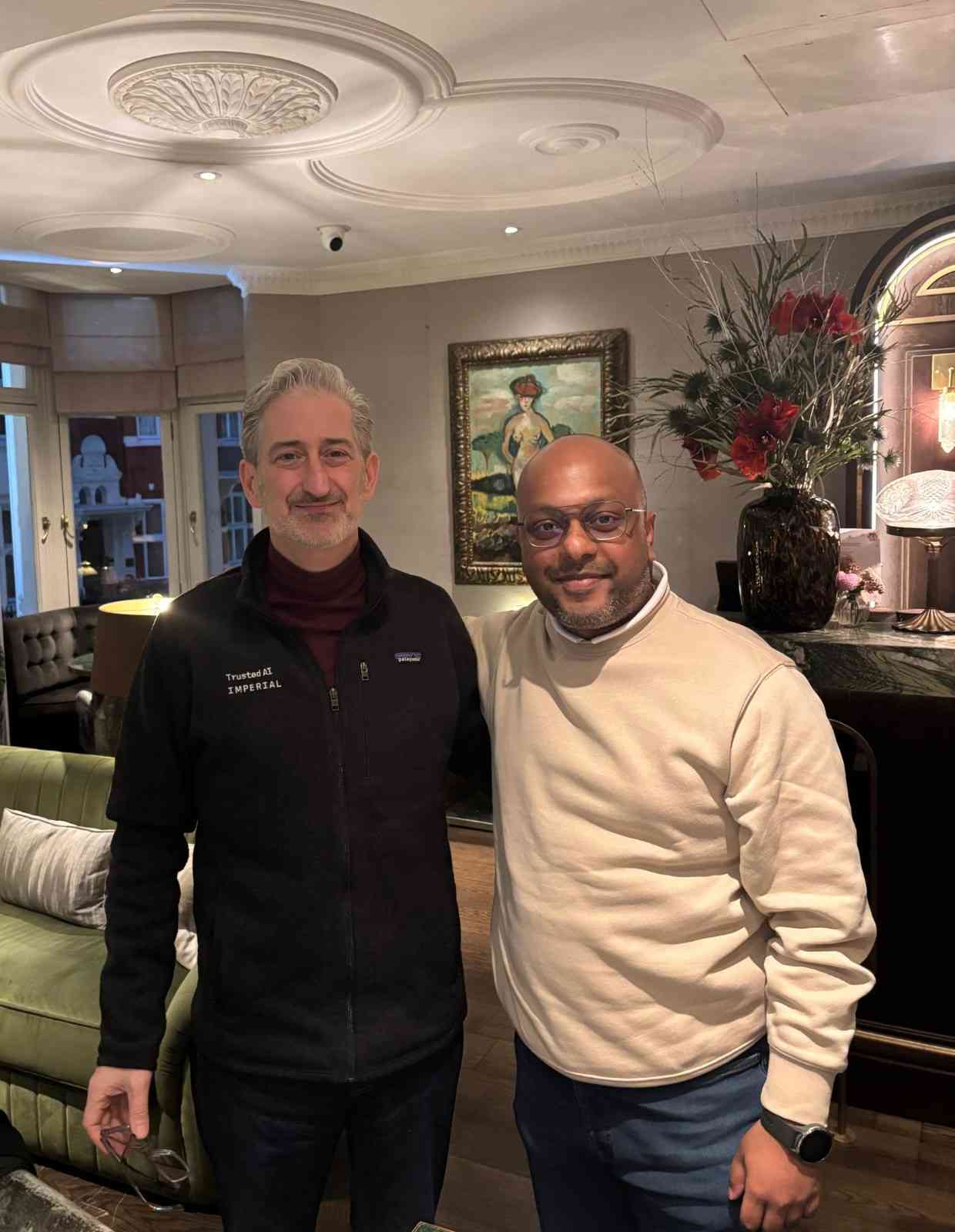
Raeven with David Shrier, Professor of Practice in AI & Innovation at Imperial Business School. Source: Cashku
The programme was designed to address a blind spot that PayNet had observed in the local fintech scene: founders like Raeven with deep domain expertise in their vertical, but limited exposure to how global technology is evolving around them. Gary Yeoh, Chief Marketing Officer of PayNet, shared,
Gary Yeoh
“The CATALYST programme is our accelerator model, which provides access to Imperial College London and its network, the second-highest-rated university in the world. This gives our participants access to all the fintechs they’re connected to around the world, a whole other group of mentors.”
For Raeven, the programme completely changed the way he thinks about Cashku’s architecture. He said,
“The programme helped me understand that the future of wealth management was about building agentic systems that think, adapt, and act on behalf of the investor. We’re replacing the old advisory model with an intelligent infrastructure layer that any institution can plug into, which makes Cashku unique.”
As a man whose life and career revolved around investment, the Imperial programme helped Raeven surface a vantage point he didn’t know was there.
What’s Next for Cashku?
With its regulatory work done, platform live, and partnerships active, what comes next for Cashku is scale.
Now with a live platform and multiple B2B2C partnerships, Cashku’s focus has shifted to scaling access.
Its near-term ambition is to expand its advisory capacity to serve more Malaysians, with institutional-grade infrastructure already in place to handle substantial growth.
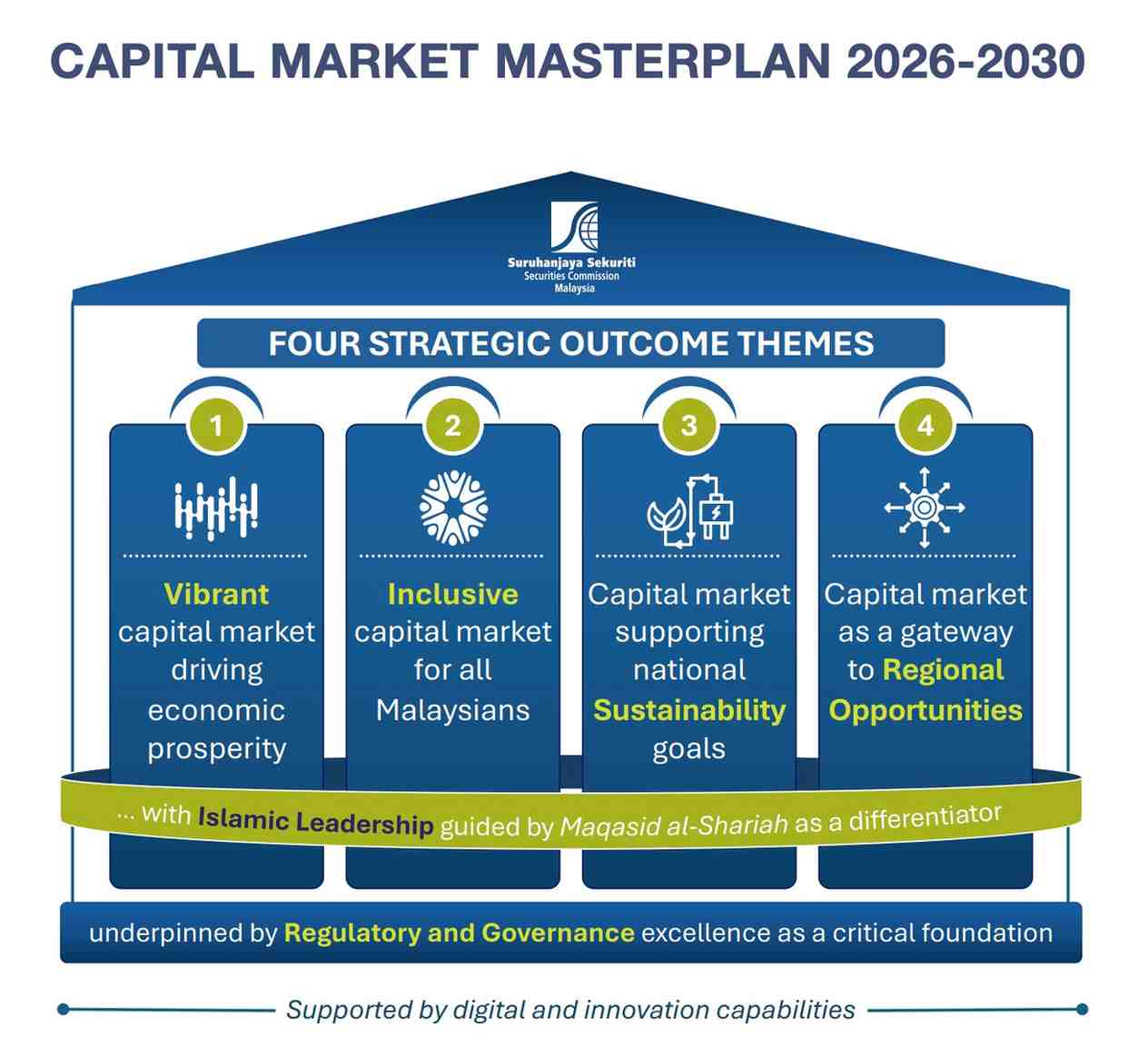
Cashku’s platform is built for Malaysia’s financial reality. It aligns with the Securities Commission’s Capital Market Masterplan 2026-2030, which calls for broader access to capital market products and greater use of digital technology to make investment accessible and effective for more Malaysians.
Beyond Malaysia, the direction is regional. The platform’s Shariah-compliant architecture has drawn interest from markets where Islamic finance is in demand, a natural fit for a platform already operating within one of the world’s most sophisticated Islamic capital markets.
For the local investor who once waited for a callback, the system itself has finally changed for the better. And for Malaysia and the markets beyond, this is just the starting point.
Cashku is one of several fintechs that scaled through the PayNet Fintech Hub. If you’re building in this space, find out how the Hub can support your journey.
This article is part of an ongoing series spotlighting Malaysian fintechs building the future of finance through the PayNet Fintech Hub. Discover the Hub and more fintech startup journeys from IIMMPACT, InsureKu, Janjilah, Swipey, Kapitani, Blox, and Moby.
Featured image edited by Fintech News Malaysia based on images by PayNet and BillionPhotos on Freepik